iPhone 17 Pro vs iPhone 15 Pro: The Ultimate Two-Generation Upgrade Guide
Quick Summary: Key Takeaways
Upgrading from the iPhone 15 Pro to the iPhone 17 Pro represents a substantial two-generation leap in mobile technology. Key improvements include a refined titanium chassis, a fully upgraded triple 48-megapixel camera array, and doubled RAM capacity to support advanced local artificial intelligence workloads.
If your iPhone 15 Pro battery health has degraded below 80 percent or you require professional-grade optical zoom and sustained thermal performance, the iPhone 17 Pro provides a justified upgrade. Casual users who primarily handle messaging and media consumption may still find their iPhone 15 Pro entirely capable for daily workflows.
- Processor & Memory: Transition from the A17 Pro (8GB RAM) to the A19 Pro (12GB RAM) for massive multi-tasking and AI speed gains.
- Optics: Expanded 48MP sensor coverage across main, ultra-wide, and telephoto lenses replaces the older mixed-resolution system on the 15 Pro.
- Display: Advanced anti-reflective coatings and enhanced peak outdoor brightness significantly improve visibility in direct sunlight.
Introduction: Is a Two-Generation Leap Worth It?
Deciding when to transition to a new smartphone depends heavily on measurable hardware advancements rather than incremental yearly updates. When Apple launched the iPhone 15 Pro, it introduced grade 5 titanium construction, the action button, and the 3-nanometer A17 Pro chip. Two years later, the iPhone 17 Pro arrives as a mature iteration of that titanium architecture, addressing historical thermal bottlenecks and camera limitations.
This comprehensive guide targets current iPhone 15 Pro owners, prospective buyers evaluating past-generation discounts, and technology enthusiasts tracking engineering trajectories. You will discover granular hardware breakdowns, practical decision frameworks, and honest assessments of real-world performance differences. Our objective is to ensure you make an informed financial and technical decision tailored to your specific workflow.
Design, Materials, and Display Upgrades
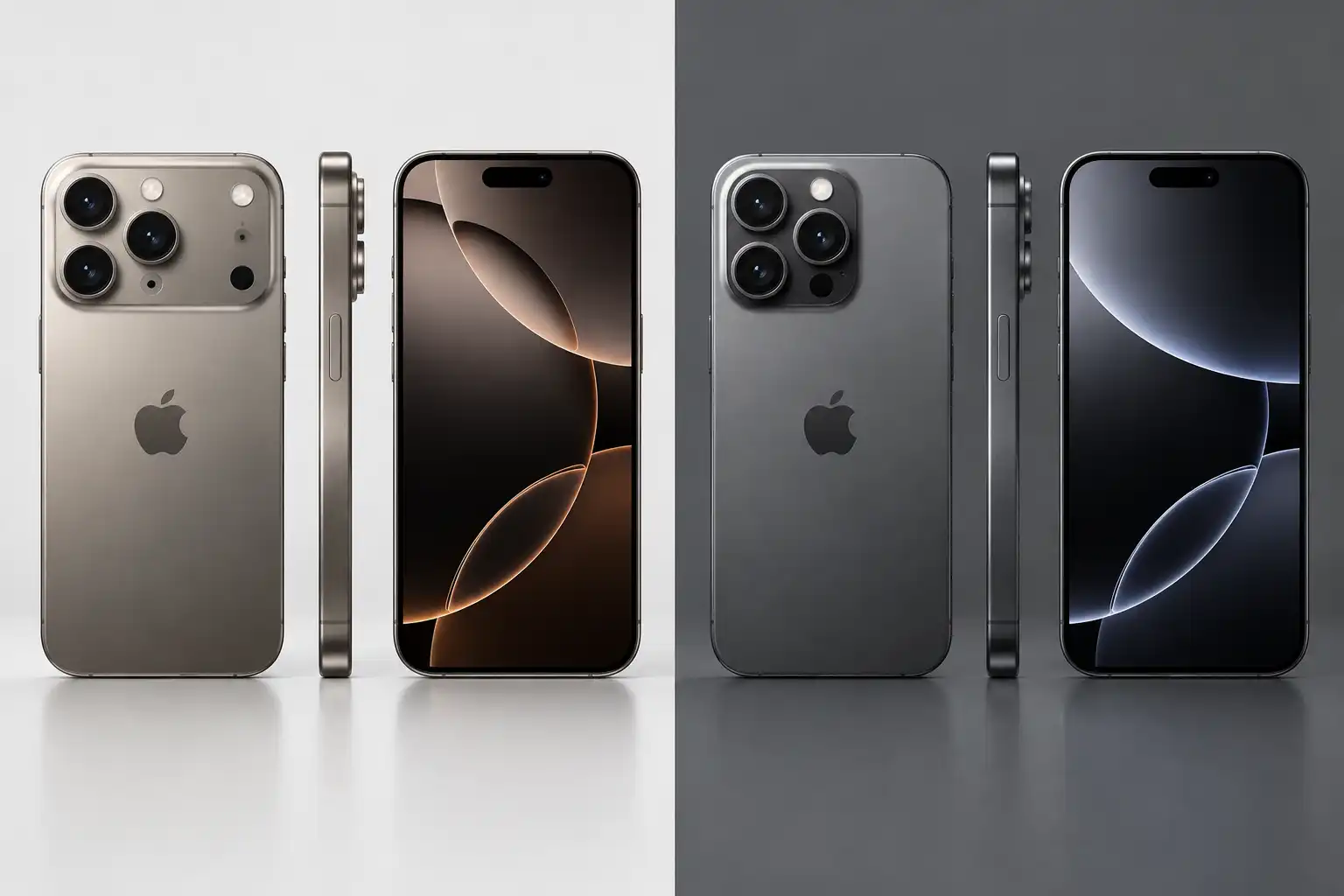
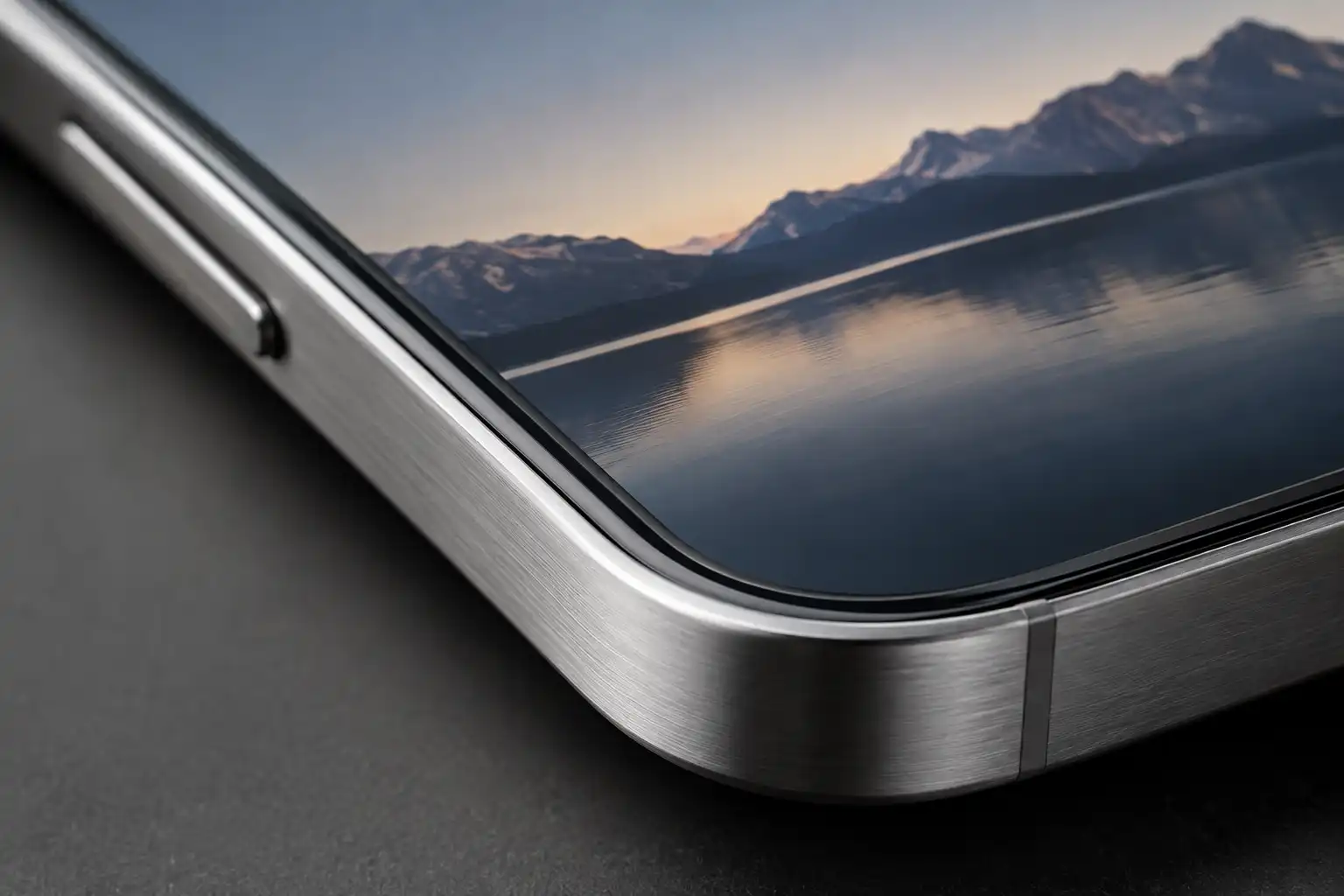
At first glance, the silhouette of the iPhone 17 Pro mirrors the contoured titanium edges established by its predecessor. However, closer inspection reveals critical metallurgical and ergonomic refinements that alter daily handling. Apple has fine-tuned the anodization and brushing processes on the grade 5 titanium alloy to drastically reduce fingerprint smudging and micro-scratch visibility.
Chassis Evolution and Weight Distribution
The iPhone 15 Pro faced early criticism regarding thermal retention under heavy graphical loads due to its titanium-aluminum thermal coupling. The iPhone 17 Pro redesigns internal structural brackets to facilitate better heat dissipation away from the primary grip areas. Weight distribution has also been re-engineered, making the device feel marginally more balanced in one hand despite housing larger internal component assemblies.
Durability receives a notable boost through improved Ceramic Shield formulations on both the front glass and the rear panel array. While the iPhone 15 Pro introduced contoured edges for better ergonomics, the iPhone 17 Pro refines those bevels to eliminate any sharp transitional lines between the glass and metal. These subtle changes yield a more comfortable tactile experience during extended reading or gaming sessions.
Display Technology and Anti-Reflective Coatings
The most visible daily upgrade arrives in the form of advanced display surface treatments. While both devices utilize ProMotion 120Hz OLED panels with Always-On display capabilities, the iPhone 17 Pro introduces a specialized optical anti-reflective coating. This coating cuts down specular reflections by a wide margin, making text significantly sharper when reading under harsh overhead lighting or direct sunlight.
Peak outdoor brightness has also climbed, allowing the screen to sustain higher luminance levels without triggering thermal throttling. Bezels surrounding the active display area have shrunk further, maximizing screen estate within an identical physical footprint. For media editors and content creators, color accuracy at lower brightness steps exhibits noticeable improvement.
Performance, Thermal Management, and RAM
Performance benchmarks tell only part of the story when comparing a 3-nanometer pioneer like the A17 Pro against the highly optimized A19 Pro architecture. While the iPhone 15 Pro handles everyday applications effortlessly, resource-heavy tasks expose the limits of its thermal envelope. The iPhone 17 Pro addresses these foundational hardware constraints through silicon efficiency and advanced cooling engineering.
A19 Pro Architecture vs A17 Pro
The A19 Pro is built on a refined semiconductor node that yields higher transistor densities and lower power leakage. Single-core and multi-core benchmark scores show a comfortable generational leap, but the real advantage lies in sustained performance stability. During prolonged 3D gaming sessions or 4K video exports, the iPhone 17 Pro maintains higher clock speeds for much longer durations before dialing back performance.
Neural engine capabilities have expanded exponentially, allowing complex machine learning models to run entirely on-device with zero cloud latency. Tasks like real-time voice transcription, generative image editing, and predictive text completion execute with instant responsiveness. The iPhone 15 Pro handles these features as well, but encounters processing queues during intensive multi-layered editing tasks.
RAM Expansion for Advanced AI Processing
One of the single most important hardware upgrades in the iPhone 17 Pro is the expansion to 12 gigabytes of unified memory. The iPhone 15 Pro relies on 8 gigabytes of RAM, which served as the baseline entry requirement for foundational local intelligence features. Upgrading to 12 gigabytes ensures that background applications remain cached indefinitely without aggressive reloading.
Heavy multitasking workflows involving simultaneous video rendering, split-screen browsing, and background audio streaming operate without memory starvation. Furthermore, developers optimizing high-end console-port games can allocate greater asset caches directly to system memory. This structural change guarantees that the iPhone 17 Pro will support demanding software updates for many years beyond the iPhone 15 Pro lifecycle.
Camera System Redesign and Sensor Breakdown
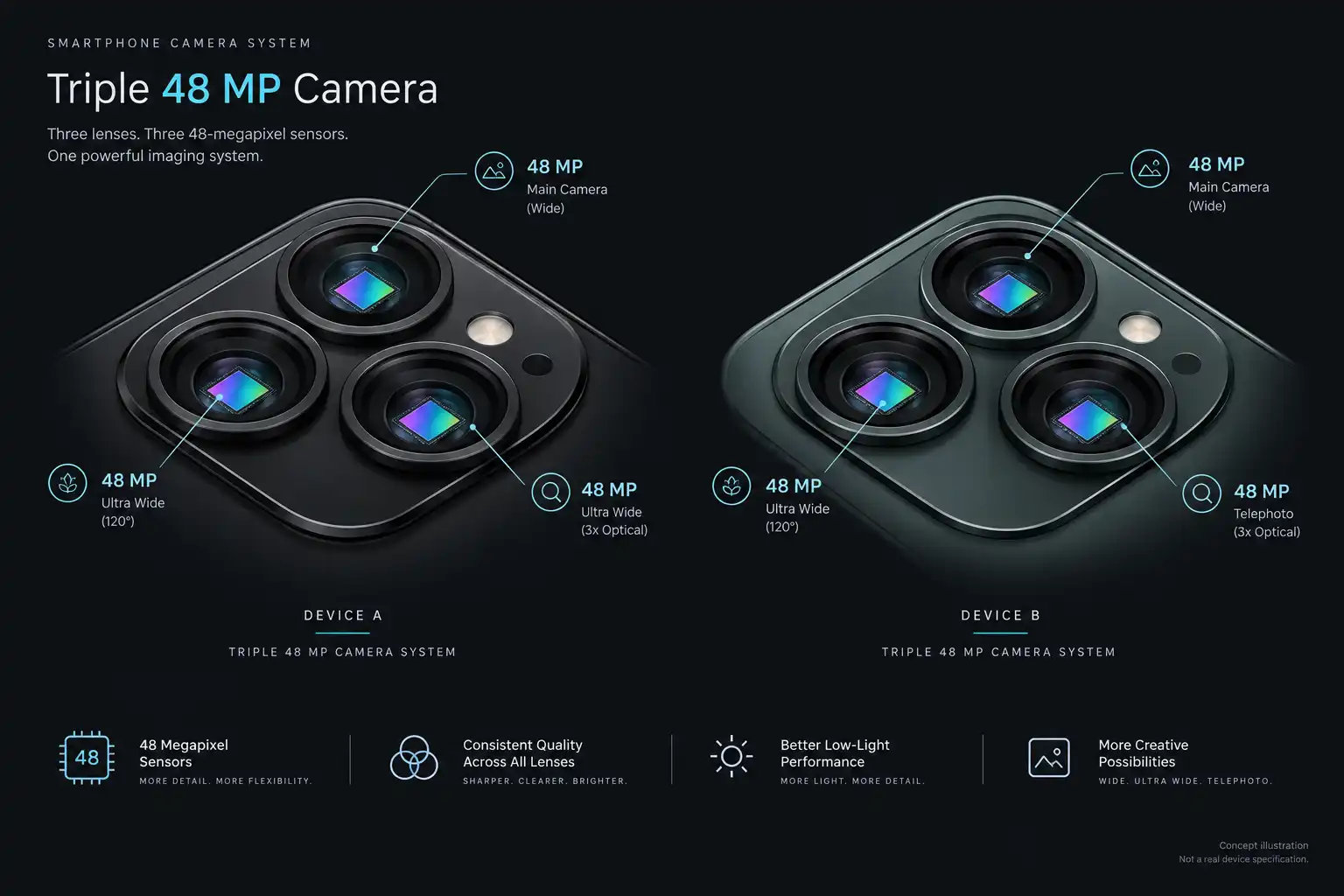
Mobile photography separates casual snapshots from professional capture tools, and the camera department represents the widest gulf between these two generations. The iPhone 15 Pro features a capable 48MP main sensor, a 12MP ultra-wide lens, and a 12MP 3x telephoto lens. The iPhone 17 Pro transitions to a completely unified high-resolution sensor strategy across the entire rear housing.
Triple 48MP Sensor Array Breakdown
The iPhone 17 Pro equips all three rear cameras with 48-megapixel sensors, eliminating the resolution mismatch found on the iPhone 15 Pro. This uniformity means that ultra-wide landscapes and telephoto portraits retain identical pixel density, color science, and dynamic range profiles. Cropping into ultra-wide shots or utilizing intermediate focal lengths yields clean, artifact-free imagery without digital upscaling degradation.
Low-light photography benefits immensely from larger physical pixel bins and faster photon capture pipelines. Night mode exposures require significantly less stabilization time, reducing motion blur when capturing moving subjects in dim environments. Photonic Engine processing algorithms leverage the extra RAM and neural power of the A19 Pro to render shadow details with remarkable fidelity.
Telephoto and Front-Facing Camera Enhancements
The optical zoom capabilities on the iPhone 17 Pro surpass the 3x limit of the standard iPhone 15 Pro, offering extended optical reach with superior sensor-shift stabilization. Distant subjects maintain sharp edge contrast and minimal chromatic aberration even at maximum focal extension. This makes field sports, wildlife, and architectural detail capture vastly superior on the newer model.
On the front of the device, the selfie camera receives a major resolution and sensor size upgrade. Video calls, vlogging clips, and self-portraits exhibit sharper skin textures and vastly improved dynamic range in backlit environments. Spatial video recording capabilities are also refined, offering smoother depth maps for immersive viewing on mixed-reality headsets.
Battery Life, Thermal Engineering, and Charging Speeds
Battery longevity and thermal dissipation dictate how enjoyable a smartphone feels during intensive daily usage. The iPhone 15 Pro received mixed reviews regarding battery endurance, particularly when cellular data connections remained active for long hours. The iPhone 17 Pro tackles longevity through a combination of denser battery chemistry and sophisticated internal cooling.
Stacked Battery Technology and Efficiency
By adopting advanced stacked battery cell architecture, the iPhone 17 Pro packs greater milliamp-hour capacity into a chassis with identical thickness. Combined with the energy-efficiency gains of the A19 Pro processor and ProMotion display driver improvements, screen-on time increases substantially. Users upgrading from a well-worn iPhone 15 Pro will notice an easily achievable 20 to 30 percent boost in daily endurance.
Cellular modem efficiency also plays a major role in preserving charge during commutes and poor signal areas. The upgraded wireless transceiver draws less power when maintaining connections in congested network environments. Consequently, standby drain drops noticeably overnight.
Thermal Dissipation and Vapor Chambers
Thermal management is arguably the most critical engineering upgrade for power users. The iPhone 15 Pro relies on graphite sheets and the titanium frame to dissipate heat, which can lead to noticeable chassis warming during GPS navigation or fast charging. The iPhone 17 Pro integrates a custom vapor chamber cooling system that rapidly pulls heat away from the logic board.
This efficient cooling prevents thermal throttling during intense gaming or high-nit outdoor video recording. Furthermore, charging speeds remain stable for longer periods because the device does not need to slow down current input to manage internal temperature spikes. MagSafe and wired charging cycles complete safely and quickly without excessive heat buildup.
Step-by-Step Guide: Evaluating Your iPhone 15 Pro Upgrade Path
Transitioning from one premium smartphone to another requires a methodical evaluation of your personal usage patterns. Before committing financial resources to an upgrade, use this structured framework to audit your current device and determine your exact needs.
- Audit Battery Health: Go to Settings > Battery > Battery Health & Charging. If your Maximum Capacity is below 80 percent and you experience daily battery anxiety, the iPhone 17 Pro offers an immediate remedy.
- Evaluate Storage Utilization: Check how much of your iPhone 15 Pro storage is currently occupied. If you frequently offload apps or manage cloud storage due to space limits, ensure you select an appropriate tiered capacity for the new device.
- Analyze Camera Bottlenecks: Review your photo library to see how often you shoot in low light, use ultra-wide lenses, or require high-zoom telephoto framing. If optical limitations hinder your creative output, the triple 48MP upgrade is fully justified.
- Assess Performance Pain Points: Note any instances of app stuttering, thermal warnings during navigation, or lag during multi-app workflows. If your current workflow pushes the A17 Pro to its absolute limits, the A19 Pro will provide a frictionless experience.
- Calculate Trade-In Value: Check current trade-in valuations for a functional iPhone 15 Pro through Apple or authorized carrier partners. Factoring in residual hardware value significantly reduces the net cost of transitioning to the newer model.
Comprehensive Technical Comparison Table
Review the exact hardware specifications side-by-side to evaluate the generational divergence between these two professional Apple smartphones.
| Feature / Spec | iPhone 15 Pro | iPhone 17 Pro |
|---|---|---|
| Release Year | 2023 | 2025 / 2026 |
| Processor | A17 Pro (3nm) | A19 Pro (Advanced Node) |
| Unified Memory (RAM) | 8 GB | 12 GB |
| Display Coating | Standard Oleophobic / Glass | Advanced Anti-Reflective Optical Coating |
| Main Camera | 48 MP (f/1.78) | 48 MP (Advanced Sensor / Aperture) |
| Ultra-Wide Camera | 12 MP (f/2.2) | 48 MP (High Resolution) |
| Telephoto Camera | 12 MP (3x Optical Zoom) | 48 MP (Extended Optical Zoom) |
| Thermal Design | Graphite Thermal Sheets | Vapor Chamber Cooling System |
| Connector | USB-C (USB 3 Speeds) | USB-C (Enhanced Transfer Protocol) |
Expert Tips for Maximizing Your Upgrade Value
Navigating a phone upgrade effectively requires strategic timing and preparation. Apply these professional tips to protect your investment and streamline your transition.
- Time Your Trade-In: Initiate your trade-in appraisal right as the new hardware launches to secure peak valuation before carrier promotional cycles adjust.
- Prepare Local Backups: Encrypt a local backup of your iPhone 15 Pro via a Mac or PC before wiping the device to ensure zero data loss during cloud synchronization queues.
- Leverage USB-C Speed: Utilize certified Thunderbolt or high-speed USB 3 cables when transferring large video files or raw photo libraries directly between devices.
- Calibrate Battery Optimization: Keep Optimized Battery Charging enabled on your new device from day one to preserve chemical integrity across years of heavy use.
Edge cases to consider include enterprise certificate profiles or specialized authenticator apps that may require manual re-authentication. Always verify that critical corporate or banking credentials are fully accessible via secondary devices before performing a factory wipe on your old phone.
Common Mistakes to Avoid When Upgrading
Users frequently commit avoidable errors during a generational smartphone upgrade. Recognizing these pitfalls saves time, money, and data frustration.
- Neglecting Data Verification: Assuming all app data transfers automatically through iCloud without checking local secure vaults or messaging history exports.
- Ignoring Storage Tiers: Buying the base storage tier out of habit when your previous workflow already required constant cloud offloading.
- Failing to Clean Physical Hardware: Trading in a dusty or smudged device that receives a downgraded appraisal grade due to superficial appearance issues.
- Disposing of Packaging Prematurely: Tossing original boxes and accessories before confirming that the new phone functions flawlessly without manufacturing defects.
Avoid these mistakes by maintaining a methodical checklist for data export, cleaning the device thoroughly with microfiber cloths, and retaining your box until the return window closes.
Best Practices for Data Migration and Trade-Ins
Seamless data migration protects your digital life and prevents frustrating account lockouts. Place both devices side-by-side during setup to use direct device-to-device transfer protocols.
Ensure both units run the latest software versions before initiating the transfer sequence to avoid protocol mismatch errors. Once the migration completes successfully, test key applications like banking portals, authenticator tokens, and encrypted messaging platforms before resetting your old device.
When preparing your iPhone 15 Pro for trade-in, sign out of iCloud explicitly, disable Find My iPhone, and erase all content and settings. Inspect the screen and camera glass under bright light to ensure no hidden cracks exist that could trigger a valuation dispute from the recycler.
Tools & Resources for iPhone Buyers
Utilize these trusted digital tools and resources to evaluate financial options, trade-in valuations, and technical specifications before purchasing:
- Apple Trade In Portal: Official calculator for immediate device valuation and gift card or credit issuance.
- GSMArena Comparison Database: Comprehensive technical specification cross-referencing tool for mobile hardware.
- Apple Support App: Official diagnostic tool for checking component health and scheduling hardware appointments.
- MacRumors Buyer’s Guide: Historical release cycle tracking tool to evaluate product lifecycle timing.
Recommended Internal Reading
Explore these related guides to deepen your understanding of Apple hardware ecosystems and mobile optimization strategies:
- Complete Guide to Maximizing iPhone Battery Lifespan and Chemical Health
- Understanding Apple Intelligence: Local vs Cloud Processing Architectures
- USB-C Data Transfer Speeds: Professional Workflow Optimization
- Mobile Photography Masterclass: Mastering ProRAW and ProRes Formats
- Titanium Chassis Maintenance: Preventing Cosmetic Wear on Modern iPhones
- How to Secure Your Apple Ecosystem Against Modern Cyber Threats
External Authority References
Consult these established external resources for official documentation, technical standards, and security bulletins:
- Apple Official Website – Product specifications and technical support documentation.
- USB Implementers Forum – Technical standards for USB-C transfer protocols and power delivery.
- International Organization for Standardization – Material standards for aerospace-grade titanium alloys.
Summary Key Takeaways
- The iPhone 17 Pro offers a meaningful two-generation leap over the iPhone 15 Pro in thermal design, RAM, and camera versatility.
- Upgrading to 12GB of RAM provides future-proofing for intensive local artificial intelligence workloads and multi-app caching.
- A fully unified 48MP triple camera array eliminates resolution discrepancies across ultra-wide, main, and telephoto focal lengths.
- Advanced anti-reflective display coatings and vapor chamber cooling dramatically improve daily usability and sustained performance.
Conclusion and Final Recommendations
Transitioning from the iPhone 15 Pro to the iPhone 17 Pro is an investment in sustained performance, optical versatility, and long-term software compatibility. While the iPhone 15 Pro remains a capable daily driver, the cumulative hardware refinements of two generations create a noticeably superior user experience.
Evaluate your battery degradation levels, camera demands, and multitasking workflow against the improvements detailed in this guide. If your current device meets your everyday needs without thermal throttling or battery anxiety, retaining it remains a fiscally responsible choice. However, if you demand professional-grade optics, uncompromised cooling, and maximum longevity, the iPhone 17 Pro stands as an exceptional upgrade.
Frequently Asked Questions
Is the size and weight noticeably different between the iPhone 15 Pro and iPhone 17 Pro?
The physical dimensions and weight remain remarkably similar, as both models utilize a lightweight titanium chassis structure. You will not notice any significant ergonomic difference in pocket comfort or one-handed daily grip between the two generations.
Can I use my existing iPhone 15 Pro cases with the iPhone 17 Pro?
No, case compatibility is not guaranteed due to subtle adjustments in button placement, camera module dimensions, and bezel curvature on the newer model. You will need to purchase new protective accessories designed specifically for the iPhone 17 Pro chassis geometry.
How much battery life improvement can I expect when upgrading?
Users typically experience a 20 to 30 percent increase in daily screen-on time due to stacked battery cell technology and improved A19 Pro silicon efficiency. This improvement is even more pronounced if your iPhone 15 Pro battery has degraded significantly over two years of usage.
Is the jump from 8GB to 12GB RAM noticeable in daily use?
Yes, the increase to 12GB of unified memory allows background applications to remain cached for much longer periods without restarting. It also provides the necessary headroom for complex on-device machine learning models and high-end gaming assets.
Do all three cameras on the iPhone 17 Pro shoot in 48 megapixels?
Unlike the iPhone 15 Pro which pairs a 48MP main sensor with 12MP ultra-wide and telephoto lenses, the iPhone 17 Pro features 48-megapixel sensors across all three rear camera modules. This ensures consistent color science, resolution, and detail across every optical zoom level.
Does the iPhone 17 Pro solve the overheating issues of the 15 Pro?
The iPhone 17 Pro introduces a dedicated vapor chamber cooling system that vastly improves thermal dissipation compared to the graphite sheets in the iPhone 15 Pro. This prevents thermal throttling and keeps the device comfortable during prolonged gaming or fast charging sessions.